The hum of a spider-sense, the weight of immense responsibility, and the dizzying thought that somewhere, in an alternate reality, a different choice led to a drastically different outcome. For fans of The Amazing Spider-Man universe, the conversation around 'TASM Universe: Multiverse Connections & Alternate Realities' isn't just theoretical; it's a vibrant, ever-evolving landscape fueled by scientific concepts and blockbuster movie moments. What if every flicker of possibility births a new world? What if the choices made by Andrew Garfield’s Peter Parker echo not just in his own timeline but across an infinite web of realities? This isn't just fan speculation; it's an exploration of how a beloved cinematic narrative intersects with some of the most mind-bending theories of modern physics.
At a Glance: Diving into the TASM Multiverse
- The Scientific Basis: Understand the core theories—Cosmological Multiverse (eternal inflation creating "bubble universes") and Quantum Multiverse (every quantum choice splitting reality)—that underpin fictional multiverses.
- TASM's Multiverse Seeding: Discover how The Amazing Spider-Man films, particularly TASM 2, unintentionally or presciently laid groundwork for its universe to connect to others.
- Andrew Garfield's Return: Recognize how Spider-Man: No Way Home served as the definitive confirmation of the TASM universe's place within a grander multiverse.
- Unique Identity: Pinpoint what makes the TASM reality distinct—its specific tone, characters, and unresolved narrative threads.
- Future Possibilities: Explore the lingering questions, potential for The Amazing Spider-Man 3, and how TASM Peter might fit into the wider Spider-Verse narrative.
Unpacking the Multiverse: What Does it Even Mean?
Before we swing into the specifics of Andrew Garfield's world, it helps to ground ourselves in the concept of the multiverse itself. It’s a term thrown around in comics and blockbusters, but its roots are surprisingly deep in actual scientific inquiry. Imagine our universe as just one leaf on an infinitely branching tree, or one bubble in a cosmic foam. That's the essence of the multiverse.
Two prominent scientific theories primarily fuel this idea:
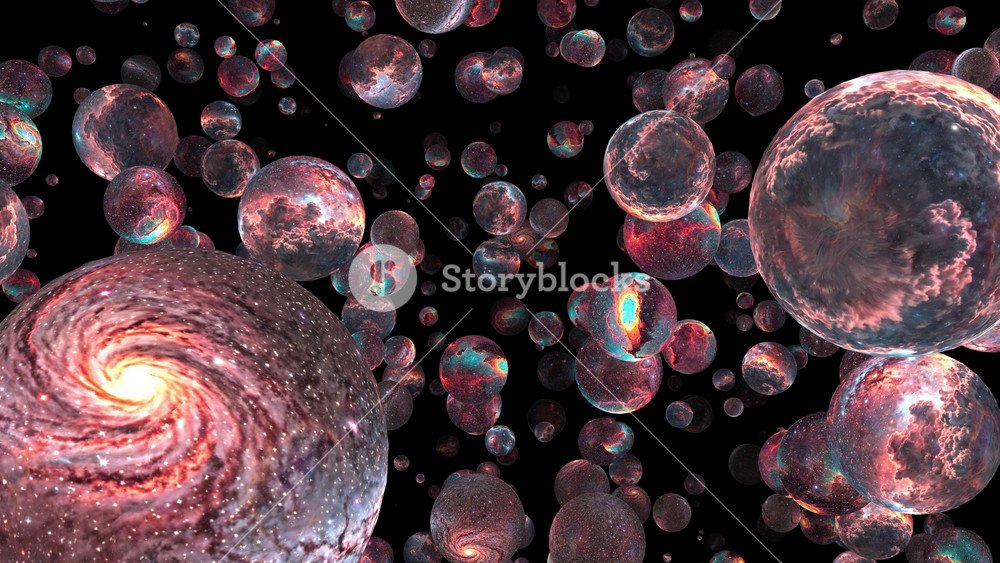
- The Cosmological Multiverse (Eternal Inflation): Picture the Big Bang, but instead of one singular explosion creating our universe, imagine an ongoing, superfast expansion of space (inflation) that never truly stops in all regions. This "eternal inflation" theory suggests that new "bubble universes" are constantly popping into existence, each potentially governed by different physical laws – perhaps a universe where gravity is stronger, or light travels slower, or even one where a certain wall-crawler had a better day. Physicists like Andrei Linde have championed this, suggesting it naturally explains why our universe appears "fine-tuned" for life; among infinite possibilities, one where conditions are just right for stars, planets, and even spiders to exist would inevitably arise.
- The Quantum Multiverse (Many-Worlds Interpretation - MWI): This one gets truly wild. From the perplexing world of quantum mechanics, where particles exist in multiple states simultaneously until observed, MWI proposes something truly radical. Instead of a quantum "collapse" forcing a particle into a single outcome, physicist Hugh Everett III suggested that all possible outcomes actually occur, each in its own alternate, parallel reality. Every time a quantum event happens (which is constantly, at a fundamental level), the universe "splits," creating new branches. If Peter Parker chose to be a vigilante instead of staying home, under MWI, both choices happened, in different realities, with different versions of Peter living out those consequences. These branches generally don't interact, making direct proof incredibly difficult.
While string theory also contributes to the multiverse conversation, suggesting a "landscape" of possible universes, the key takeaway for us is this: science offers compelling, albeit unproven, frameworks for a multitude of realities. Fictional narratives, especially those involving superheroes, tap into these ideas to create rich, expansive worlds, and the TASM universe is no exception.
The Amazing Spider-Man Universe: A Multiverse Seedbed
When The Amazing Spider-Man and The Amazing Spider-Man 2 were released, the explicit concept of a cinematic multiverse wasn't yet the mainstream phenomenon it is today. Marvel's MCU was still largely self-contained, and the idea of Spider-Man variants from different studios sharing the screen felt like a distant dream. Yet, looking back, the TASM films laid surprisingly fertile groundwork for its eventual inclusion within the multiverse.
These films established a very specific tone and a unique iteration of Peter Parker. Andrew Garfield's portrayal gave us a more angsty, skateboarding, somewhat detached Peter, haunted by the past and wrestling with the enormous weight of his powers and the promises he made. The world felt grittier, a bit more grounded in a recognizable New York, even with the fantastical elements.
The Amazing Spider-Man 2, in particular, was rife with seeds for expansion. Oscorp was clearly a scientific powerhouse with a sinister underbelly, holding secrets that could unleash a host of threats. The ending, with the introduction of the Rhino and the visual tease of doctor Octopus's tentacles, Vulture's wings, and other villain tech, clearly pointed towards the tantalizing prospect of the Sinister Six. This wasn't just a setup for a sequel; it was an attempt to build a rich, interconnected world of its own, capable of supporting multiple spin-offs and character arcs. While initial plans for this expansive universe didn't fully materialize in its original form, the potential for its unique ecosystem of heroes and villains remained.
Andrew Garfield's Return: The TASM Universe's Multiverse Validation
For years, the TASM universe felt like an unfinished symphony. Then came 2021, and with it, Spider-Man: No Way Home, a film that didn't just break box office records but broke open the very fabric of cinematic reality. This movie wasn't merely a sequel; it was a multiversal nexus event, confirming what many fans had long hoped for.
Andrew Garfield's return as his specific iteration of Peter Parker was more than just a nostalgic cameo; it was a profound narrative choice that retroactively validated the TASM universe as a distinct, fully-fledged reality within the broader Spider-Verse. We saw not just "a Spider-Man" but the TASM Spider-Man, complete with his specific history, his grief over Gwen Stacy, and his struggle with the dark path his life had taken post-tragedy.
His interactions with Tobey Maguire's and Tom Holland's Spider-Men allowed us to see the unique facets of his character, particularly his quiet pain and his renewed sense of purpose. He wasn't just pulled into another universe; he was brought there with his entire history intact, a living testament to the choices and consequences of his reality. This moment was crucial, transforming the TASM films from a standalone, prematurely ended series into an integral component of a sprawling, interconnected narrative. It effectively served as a kind of Spider-Man: No Way Home’s groundbreaking plot that redefined how we perceive these individual cinematic worlds.
Moreover, the inclusion of villains like Jamie Foxx's Electro and Rhys Ifans' Lizard, directly plucked from their TASM timeline, further cemented this. We even saw Doctor Octopus’s surprising return to a version of himself that remembered Peter Parker, further illustrating the interconnectedness of these realities and the specific histories each variant carried.
Beyond the MCU: What Defines the TASM Reality?
With its multiverse status solidified, it's important to understand what makes the TASM universe distinct. It’s not just "another Spider-Man reality"; it possesses a unique identity that sets it apart from the MCU's vibrant, interconnected narratives and Tobey Maguire's more earnest, hopeful saga.
Here are some defining characteristics:
- A Grittier, More Grounded Aesthetic: While still fantastical, the TASM films often lean into a slightly darker, more realistic visual and emotional tone. The fights feel more brutal, Peter's injuries more pronounced, and the stakes often feel more personal and immediate.
- Peter Parker's Unique Arc: Andrew Garfield's Peter is characterized by a strong sense of internal conflict, a self-destructive streak, and a struggle with his own guilt. His journey, especially after Gwen's death, is deeply personal and emotionally raw, setting him on a path of self-imposed solitude before the events of No Way Home.
- The Science-First Approach to Powers: The origins of Peter's powers and the villains often feel more rooted in scientific experimentation gone awry, rather than magical artifacts or alien tech. Oscorp is a central hub for this, a corporate entity driving much of the conflict.
- The Gwen Stacy Love Story: The romance between Peter and Gwen (Emma Stone) is a cornerstone of this universe, deeply explored and tragically concluded. Her influence on Peter's character is immense, shaping his decisions and his grief in profound ways. This contrasts sharply with other iterations where Mary Jane Watson often takes center stage.
In essence, the TASM universe offers a specific flavor of the Spider-Man mythos—one that resonates with fans who appreciate its unique emotional depth and character-driven narrative.
The TASM Multiverse: Exploring Alternate Realities and "What Ifs"
The beauty of the multiverse, especially when viewed through the lens of the Quantum Multiverse (MWI), is the infinite possibilities it implies. If every decision branches off into a new reality, then the TASM universe itself isn't a singular point but rather a nexus of countless "what ifs."
Consider these tantalizing alternate realities within the TASM framework:
- A Universe Where Gwen Stacy Lives: This is perhaps the most poignant "what if." What if Peter had caught her? What if the web line hadn't snapped? In an alternate reality, a version of TASM Peter could be living a happy life with Gwen, navigating their careers, and perhaps even raising a family, while still protecting New York as Spider-Man. This fundamental difference would ripple through every aspect of his character and story.
- The Sinister Six's Triumphant Rise: The ending of TASM 2 heavily teased the formation of the Sinister Six. In an alternate reality, perhaps Electro, Rhino, Doc Ock, Vulture, and others successfully banded together, bringing New York to its knees and forcing Peter into a truly desperate fight for survival. This could have led to a much darker outcome for TASM Peter, or perhaps pushed him to new extremes of heroism.
- A World Without the Goblin Serum's Influence: What if Harry Osborn had never taken the Goblin serum? Perhaps Oscorp found a cure, or Harry found redemption. This would completely alter the trajectory of their friendship and the nature of the Green Goblin threat, potentially leading to different villains or conflicts emerging.
These "what ifs" allow us to imagine the concept of Spider-Man variants not just across different live-action films, but within the TASM universe itself, each diverging based on a critical choice or event. It adds layers of tragic irony and boundless potential to Andrew Garfield's portrayal, whose character has experienced the most profound grief.
Unfinished Business: The Lingering Questions for TASM's Multiverse
One of the most compelling aspects of the TASM universe is its lingering sense of "unfinished business." Unlike the resolved arcs of other Spider-Men, Andrew Garfield's Peter Parker was left in a state of profound emotional solitude before his multiversal journey. This leaves a wealth of questions open for exploration, especially now that the multiverse is a confirmed reality.
- Peter's Path to Healing: After No Way Home, Peter returned to his universe with a renewed sense of hope and a chance to truly heal from Gwen's death. What does that look like for him? How does he rebuild his life, find new purpose, and perhaps even a new love, in a world that has only known his suffering?
- The Fate of His Villains: The teased Sinister Six never fully materialized in his original timeline. Did those villains ever unite? Are they still out there? With Doctor Octopus and Electro having experienced a multiversal journey and a form of redemption, what does that mean for their counterparts in TASM's reality, if they still exist?
- A True TASM 3: The biggest question on many fans' minds is the possibility of a direct continuation. If Sony Pictures were to revisit this universe, what would Explore The Amazing Spider-Man 3 entail? Would it pick up directly after No Way Home, showing Peter's attempts to recover and find new meaning? Or would it delve into entirely new threats, perhaps even multiversal ones that bleed into his reality? The options are limitless, given the groundwork laid and the character's renewed potential.
Looking Ahead: The TASM Universe's Role in the Larger Spider-Verse
The Multiverse isn't just about individual universes; it's about their interconnectedness. The success of the Spider-Verse animated films (which have their own distinct multiversal rules) and the live-action crossovers have paved the way for a grander narrative tapestry. The TASM universe, with its unique characteristics and beloved protagonist, has a significant role to play in this ongoing expansion.
- Andrew Garfield's Ongoing Popularity: The resounding fan support for Andrew Garfield's future as Spider-Man demonstrates a strong desire for more stories from this specific universe. This isn't just about nostalgia; it's about the compelling depth he brought to the character and the narrative potential that remains.
- Potential for Future Crossovers: While a standalone TASM 3 is a dream for many, the more immediate likelihood might be further appearances of Andrew's Spider-Man in other multiversal projects, be it live-action or animated. Imagine him encountering Miles Morales, or joining forces with other variants in a grand, multiversal conflict. These future connections within the broader Spider-Verse could provide closure, new challenges, and incredible character moments.
- Influencing New Narratives: Even if TASM doesn't get its own direct sequel, its presence in the multiverse influences how future Spider-Man stories are told. It solidifies the idea that every version matters, every choice resonates, and the "Spider-Man" identity is something shared and reinterpreted across countless realities.
Common Questions About TASM's Multiverse
The revelations of No Way Home and the ongoing multiverse sagas naturally spark many questions among fans. Let's tackle some of the most frequent ones.
Was the multiverse planned from the start for TASM?
Highly unlikely. While The Amazing Spider-Man 2 had grand plans for an interconnected universe (with the Sinister Six and spin-offs), the concept of a multiverse connecting to other studio's Spider-Man iterations wasn't a prominent consideration during its original production. Its multiversal inclusion was a brilliant, retroactive narrative choice made years later.
Will we see The Amazing Spider-Man 3?
There's no official confirmation for The Amazing Spider-Man 3. While Andrew Garfield himself has expressed openness to returning, and fan demand is incredibly high, any such project would depend on Sony Pictures' strategic plans and the broader landscape of the Spider-Verse. The success of No Way Home definitely reignited the conversation, however.
How does TASM compare to other Spider-Man universes?
The TASM universe is often seen as a middle ground between Tobey Maguire's classic, slightly more fantastical and earnest portrayal, and Tom Holland's more youthful, technologically advanced, and MCU-integrated Peter. TASM offers a darker, grittier, and more emotionally raw take, focusing heavily on Peter's personal struggles and his romance with Gwen Stacy.
Could Gwen Stacy return in the TASM universe?
In the TASM universe as we know it, Gwen Stacy is definitively dead. However, the nature of the multiverse means that alternate realities do exist where Gwen survived, or where a variant of Gwen Stacy from another reality could theoretically cross over. For our TASM Peter, the emotional weight of her loss is central to his character, making a direct resurrection in his timeline unlikely without significant narrative convolution. But a multiversal encounter is always a possibility.
Your Role in the Multiverse: Why These Stories Matter
The exploration of the TASM universe within the broader canvas of the multiverse is more than just academic; it's a testament to the enduring power of storytelling. These narratives allow us to grapple with complex scientific ideas—from quantum entanglement to eternal inflation—in an accessible, emotionally resonant way. They invite us to consider profound philosophical questions about choice, consequence, identity, and destiny.
By embracing the idea of 'TASM Universe: Multiverse Connections & Alternate Realities', we're not just celebrating a specific film series or character; we're engaging with a universe of boundless possibilities. We’re acknowledging that even in fiction, every story matters, every reality holds weight, and every hero's journey contributes to a grander narrative tapestry. So keep discussing, keep speculating, and keep appreciating the incredible complexities of the worlds within and beyond our own. The multiverse, in all its forms, continues to inspire curiosity, push boundaries, and remind us that the most amazing stories are often the ones still waiting to be told.